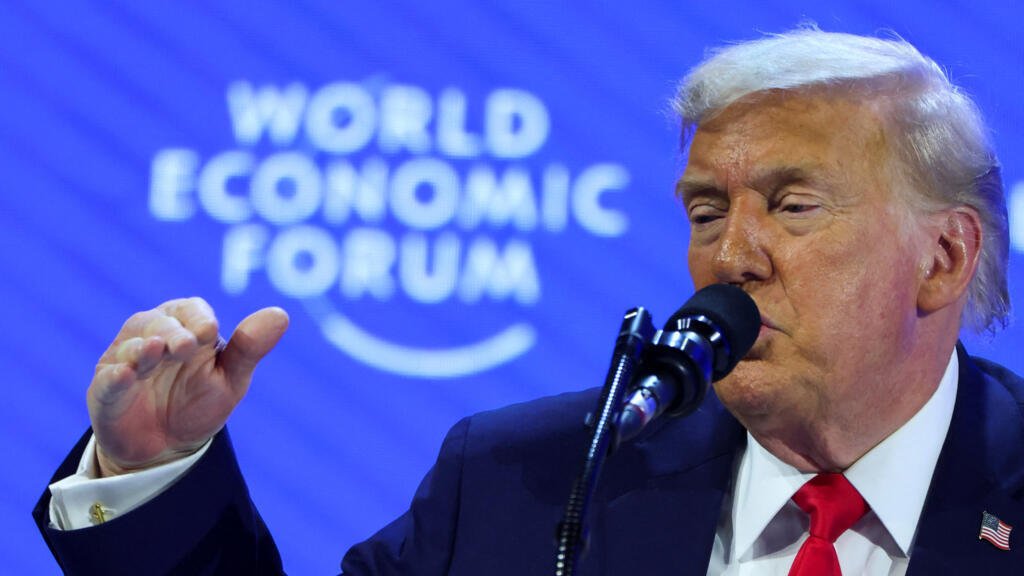
Trump Backs Down on Greenland Threats, Announces Framework for Future Deal with NATO at Davos

After weeks of escalating rhetoric and diplomatic threats, former U.S. President Donald Trump reversed his stance on Greenland on Wednesday, announcing in Davos that a framework for a future agreement has been established with NATO.
The statement marks a significant shift in tone on an issue that had raised tensions between Washington and its European allies.
A Sudden Shift After Weeks of Pressure
For several weeks, Donald Trump had repeatedly suggested strong measures regarding Greenland, including economic pressure and confrontational language that alarmed both Denmark and NATO partners. His remarks reignited debates over sovereignty, Arctic security, and U.S. strategic interests in the region.
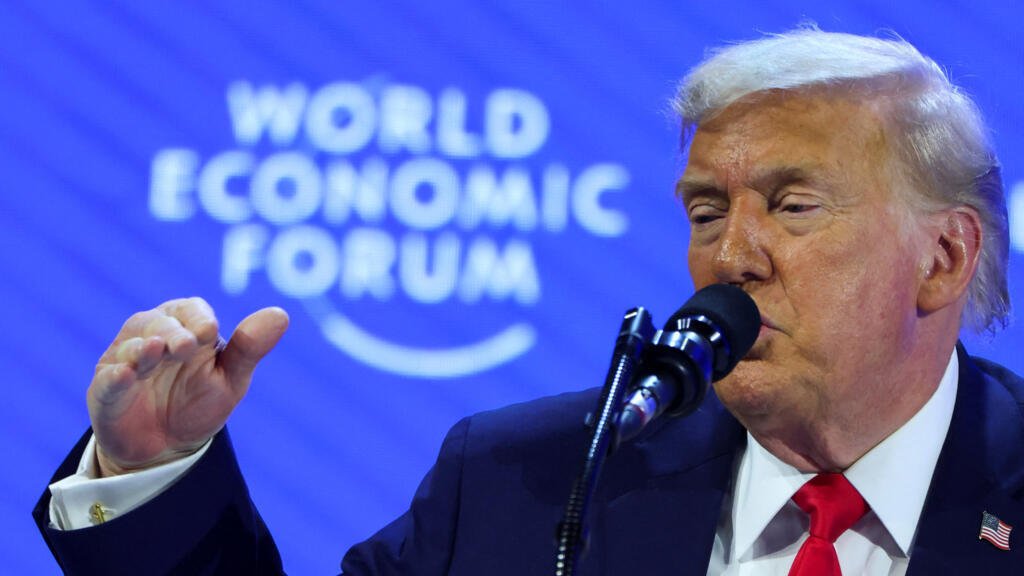
Speaking at the World Economic Forum in Davos, Trump said discussions with NATO leaders had resulted in “the framework of a future agreement” focused on cooperation in the Arctic, signaling a move away from unilateral threats toward multilateral dialogue.
NATO at the Center of the Greenland Talks
Trump emphasized that the new approach involves close coordination with NATO, underlining the alliance’s role in ensuring security and stability in the Arctic region. While he did not provide detailed elements of the framework, he suggested it would address defense cooperation, strategic infrastructure, and regional security concerns.
Importantly, Trump indicated that military force is no longer being considered, easing fears of further escalation and contributing to a calmer diplomatic climate.
Unclear Details, Ongoing Questions
Despite the announcement, many questions remain unanswered. The exact nature of the proposed agreement, its legal scope, and its implications for Greenland’s political status and Denmark’s sovereignty have not been clarified. Officials in Europe have responded cautiously, stressing that any future arrangement must respect existing international agreements and the will of the Greenlandic people.
Analysts note that the lack of specifics suggests the announcement may serve more as a political signal of de-escalation rather than a finalized policy shift.
Geopolitical Stakes in the Arctic
Greenland holds growing strategic importance due to its location and natural resources, as well as increasing competition in the Arctic involving global powers. Trump’s revised position reflects broader concerns about maintaining influence in the region while avoiding direct confrontation with allies.
By stepping back from his earlier threats and announcing a framework for dialogue with NATO, Donald Trump has softened his position on Greenland, opening the door to diplomatic engagement rather than confrontation. Whether this framework evolves into a concrete agreement remains uncertain, but the announcement at Davos represents a notable change in approach with potentially significant geopolitical implications.
JOSHMISHUMBI