DRC–Tanzania: Why Is the Tanzanian Government Silent Following the Deaths of Its Soldiers in Eastern Congo?

Following our stay in the Great Lakes region and several investigations, one question continues to raise concern among many people: why has the Tanzanian government remained relatively silent about the deaths of its soldiers deployed in eastern Democratic Republic of Congo (DRC)?
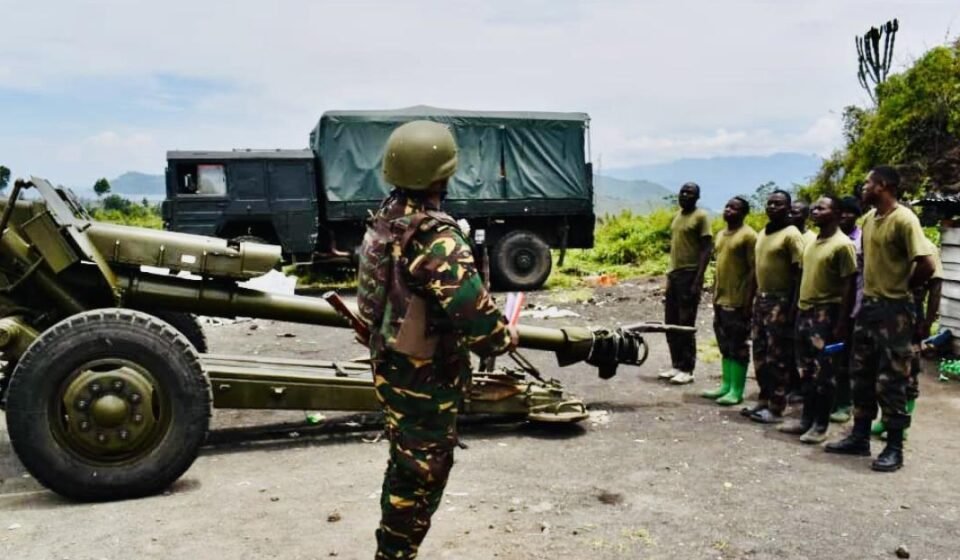
These Tanzanian soldiers reportedly lost their lives during clashes in North Kivu Province, near the city of Goma, amid fighting involving armed groups, including the AFC/M23 rebels.
There have also been allegations that the Rwandan Defence Force (RDF) supports the M23 movement. The Rwandan government has disputed accusations made against it.
However, beyond the circumstances surrounding these deaths, it is the response of the Tanzanian authorities that continues to raise questions. Several observers are concerned about the limited public communication regarding the fate of these soldiers, particularly the exact circumstances of their deaths, possible responsibilities, and diplomatic measures taken by the government.
Why Is Dodoma Not Providing More Information?
The deaths of soldiers deployed on a foreign mission are generally a major concern for any government. The families of the victims, the public, and citizens have a legitimate expectation of receiving official explanations.
Why, then, have the Tanzanian authorities not provided more detailed public information about this matter?
Could this be a diplomatic strategy aimed at avoiding further escalation of tensions with the parties involved in the conflict in eastern DRC?
Or are the authorities pursuing confidential negotiations whose details have not yet been made public?
Has Joseph Kabila’s FRN Become More Powerful Than the Tanzanian Army?
Another question deserves attention: has the Front de Résistance Nationale (FRN), associated with Joseph Kabila in the Congolese political and military context, become an influential enough actor to complicate the diplomatic and military responses of certain countries in the region?
This question does not establish any conclusion about the balance of power between the parties. Rather, it reflects the growing concerns surrounding the evolution of the conflict in the Great Lakes region.
Nevertheless, it would be premature to conclude that the FRN or AFC/M23 is more powerful than the Tanzanian army simply because of the apparent silence of the authorities in Dar es Salaam.
Does Tanzania Owe Its Citizens an Explanation?
The families of the affected soldiers and the Tanzanian public deserve to know the circumstances surrounding these losses. Transparency regarding military missions abroad is essential to understanding the commitments made by the authorities and the consequences of these operations.
Our objective is not to accuse anyone without evidence, but to raise legitimate questions that deserve official answers.
Is Tanzania adopting a policy of diplomatic silence in response to the security crisis in eastern DRC? Are confidential negotiations taking place? And what measures have been taken to establish the circumstances surrounding the deaths of its soldiers?
These are questions that the Tanzanian authorities should address.
JOSUE MISHUMBI