The Longest Government Shutdown in U.S. History: A Deep Economic and Social Shock

A Record-Breaking Impasse
What began on October 1, 2025, turned into a historic political standoff: the U.S. federal government entered a full shutdown that would become the longest in its history.
The root cause? A failure in Congress to pass budget appropriations tied up in a partisan impasse — particularly over health-care subsidies under the Affordable Care Act.
During the shutdown, roughly 900,000 federal employees were furloughed, while about two million more continued working without pay in so-called “excepted” roles.
Economic Consequences: Immediate and Lasting
Lost Wages & Reduced Consumer Spending
The most direct hit has been felt by federal workers — with an estimated $16 billion in wages withheld during the shutdown
This translates into lower consumer spending at local businesses, restaurants, and a broader dip in holiday-related purchases as workers tighten belts.
A Drag on GDP
Economists and government agencies estimate significant macroeconomic fallout:
-
The Congressional Budget Office (CBO) has projected that the shutdown could reduce GDP by 1 to 2 percentage points in the fourth quarter of 2025.
-
According to a White House memo, each week of shutdown could cost $15 billion in GDP, and a month-long stalemate might lead to 43,000 additional job losses.
-
Goldman Sachs is projecting only 1 % GDP growth for Q4 given the shock.
-
Ultimately, the CBO estimates that $7–14 billion could be permanently lost even after the government reopens.
Disruption of Federal Spending and Contracting
Government procurement has largely stalled. Agencies such as the Department of Defense, NASA, and Homeland Security have slowed or halted new contracts, which ripple out to private-sector firms and subcontractors. Meanwhile, federal spending freezes undermine investment and economic momentum.
Travel and Transportation Woes
The shutdown’s impact on air travel has been particularly acute:
-
Some 40 airports are reportedly operating with just 10% reduced operations due to personnel shortages, including among air traffic controllers.
-
The Federal Aviation Administration (FAA) has had to scale back certain operations, contributing to flight delays and cancellations.
-
For the travel and tourism industry, this is a blow: fewer flights, delayed travel plans, and declining consumer confidence as people rethink trips.
Data Blackout & Policy Risk
One of the less visible but potentially deeply damaging effects is the halt in economic data. Because many statistical agencies are shut down or operating on limited capacity, critical reports on employment, prices, and other indicators are delayed or missing. This “data blackout” complicates decision-making for investors, businesses, and particularly the Federal Reserve, which relies on these indicators to set monetary policy.
Social Fallout: More Than Just Economics
Impact on Low-Income Americans
Perhaps the most severe social consequences affect vulnerable populations:
-
SNAP (Supplemental Nutrition Assistance Program) benefits have been disrupted for millions of Americans.Analysts warn that many low-income families could face food insecurity as assistance delays bite.
-
Some federal programs that serve children —such as Head Start are under threat, reducing access to early childhood education.
Strain on Federal Workers and Their Families
Federal employees and contractors working without pay are turning to secondary jobs, drawing on savings, or even going into debt to make ends meet. For many, the uncertainty and stress are taking a personal toll: groceries, rent, and essential bills don’t pause just because paychecks do.
Erosion of Public Confidence
Consumer sentiment has dropped sharply. The University of Michigan’s index of consumer confidence fell to its lowest point in years, reflecting widespread worry about finances, jobs, and access to services. This slump could feed into weaker consumer spending further reinforcing the economic drag.
Inequality Concerns
The shutdown may exacerbate existing economic inequalities:
-
Higher-income households, particularly those with investments in stocks or assets, are better cushioned against income loss.
-
Lower- and middle-income families, who rely more heavily on federal wages and safety-net programs, are disproportionately hit.
-
Longer-term, the disruption could erode trust in the federal government’s capacity to deliver basic services.
Political and Long-Term Risks
Political Gridlock & Blame Game
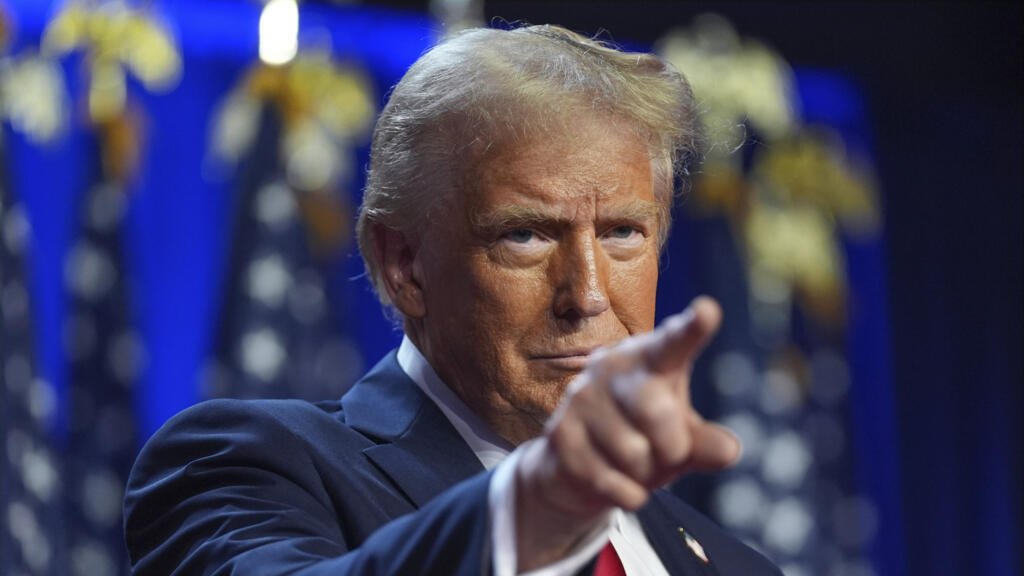
The shutdown is rooted in a partisan stalemate. Republicans and Democrats remain deeply divided over how to fund government operations, with healthcare subsidies being a flashpoint. President Trump’s administration is using the shutdown to push for cuts to certain “Democrat agencies” and reshape the civil service.
Institutional Damage
The suspension of key government functions undermines institutional capacity:
-
Agencies like the CDC, NIH, and others have partially or fully suspended operations.
-
Morale within the federal workforce may suffer long-term damage, making it harder to retain talent.
-
Repeated shutdowns — especially historic ones — risk normalizing budget brinkmanship, potentially weakening governance and forecasting in future fiscal cycles.
Risk to Future Growth
Even after the shutdown ends, some damage may be irreversible:
-
Lost economic activity may never fully be recouped, particularly if consumer behavior changes (e.g., delayed or canceled purchases).
-
Permanent output loss ($7–14 billion, according to the CBO) could drag on future growth potential.
-
If data disruptions continue, central banks and markets may operate with less clarity, raising the risk of policy missteps.
A Crisis With Lasting Consequences
This shutdown isn’t just another temporary lapse in funding — it’s a historic, structural shock to both the economy and the social fabric. The financial strain on federal workers, the disruption of essential services, and the broader economic drag could leave scars long after government offices reopen.
What was once a political battle over appropriations has become a national crisis, one that threatens not just short-term growth but long-term confidence in federal governance. As both sides debate how to move forward, the deeper question looms: what happens if these shutdowns become the new normal?