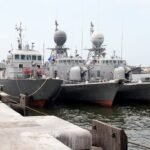
Iran was reportedly close to securing advanced Chinese-made supersonic anti-ship missiles just weeks before the latest regional conflict, highlighting the growing strategic relationship between Iran and China and raising fresh concerns over security in the Gulf.
Iran’s reported push for advanced Chinese missiles
According to a Reuters investigation published in February, Tehran was nearing a deal to purchase Chinese-made CM-302 supersonic anti-ship cruise missiles. The talks had reportedly been underway for at least two years but accelerated after the 2025 Israel-Iran war.
The CM-302 has an estimated range of about 290 kilometers and is designed to fly low and fast, making it difficult for naval defenses to intercept. Military analysts say such a system could significantly boost Iran’s ability to threaten commercial shipping and US naval forces in the Gulf.
Why the Strait of Hormuz matters
The reported missile talks are especially significant because of the strategic importance of the Strait of Hormuz, one of the world’s most critical oil transit routes.
A stronger Iranian anti-ship capability could complicate military planning for the United States and its allies and increase the risks of disruption to global energy markets. The strait handles a large share of the world’s seaborne oil exports, making any escalation there a global concern.
Beijing-Tehran ties under scrutiny
The missile negotiations have put China’s relationship with Iran under closer international scrutiny. Beijing has deepened economic and diplomatic ties with Tehran in recent years, particularly through energy trade and infrastructure cooperation.
However, China publicly denied knowledge of the missile talks, saying it opposes actions that could worsen regional tensions. Chinese officials have repeatedly said they support de-escalation and stability in the Middle East.
Rising tensions amid wider regional crisis
The reported arms talks gained renewed attention as the United States increased military pressure on Iran, including a naval blockade targeting Iranian ports and oil exports.
Washington has also recently claimed that China agreed not to send weapons to Iran, though skepticism remains among analysts given the broader geopolitical stakes.
A relationship with global implications
The Reuters World News podcast’s focus on Beijing-Tehran ties underscores how the Iran-China relationship now extends far beyond trade. It has become a central factor in regional security, maritime stability, and great power competition.
As tensions remain high, any future Chinese military support for Iran whether real or perceived—could have far-reaching consequences for the Gulf, global shipping, and international diplomacy.