
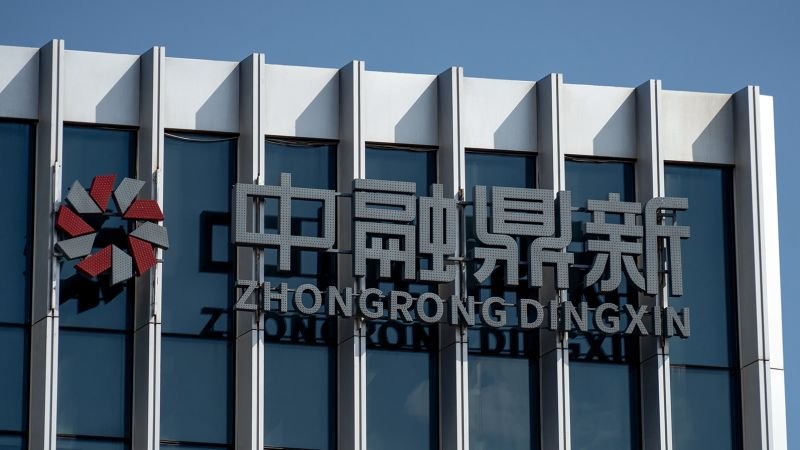

A Beijing court has ordered the liquidation of Zhongzhi Enterprise Group and more than 300 related entities, marking a significant step in addressing one of China’s largest shadow banking collapses.
The decision underscores Beijing’s commitment to containing systemic financial risks and restoring confidence in the country’s financial sector after a series of high-profile debt crises.
A major blow to China’s shadow banking sector
Zhongzhi Enterprise Group was a key player in China’s shadow banking system, a loosely regulated network of financial institutions that has long posed risks to the broader economy.
The court-ordered liquidation signals a decisive move by authorities to clean up financial vulnerabilities and impose stricter discipline on high-risk investment structures.
Analysts view this as part of a broader strategy to stabilize China’s financial system amid ongoing economic pressures.
Creditors given deadline to file claims
According to a court statement issued on Friday evening, creditors have until June 10 to submit their claims to the appointed administrator, Beijing Dacheng Law Offices.
This step is crucial in determining how remaining assets will be distributed among stakeholders, many of whom face significant losses following the group’s collapse.
Managing systemic risk in China’s economy
The liquidation highlights growing concerns over systemic risk within China’s financial ecosystem, particularly in sectors operating outside traditional banking regulations.
By taking firm legal action, Chinese authorities aim to prevent further contagion and reassure both domestic and international investors.
A turning point for financial regulation in China
The Zhongzhi case could mark a turning point in how China handles financial instability, especially within the shadow banking sector.
As regulators tighten oversight, the move may reshape the landscape of alternative financing while reinforcing the government’s priority: financial stability and risk control.
JOSHMISHUMBI