The US naval blockade against Iran has marked a major turning point in the regional crisis. According to the United States Central Command (CENTCOM), no vessel departing from an Iranian port managed to pass through the control zone during the first 24 hours of the operation.
A blockade targeting Iranian ports
The blockade came into effect on Monday and targets all ships entering or leaving Iranian ports located in the Persian Gulf and the Gulf of Oman. Washington says the move is aimed at increasing pressure on Tehran following the collapse of recent peace talks held in Pakistan.
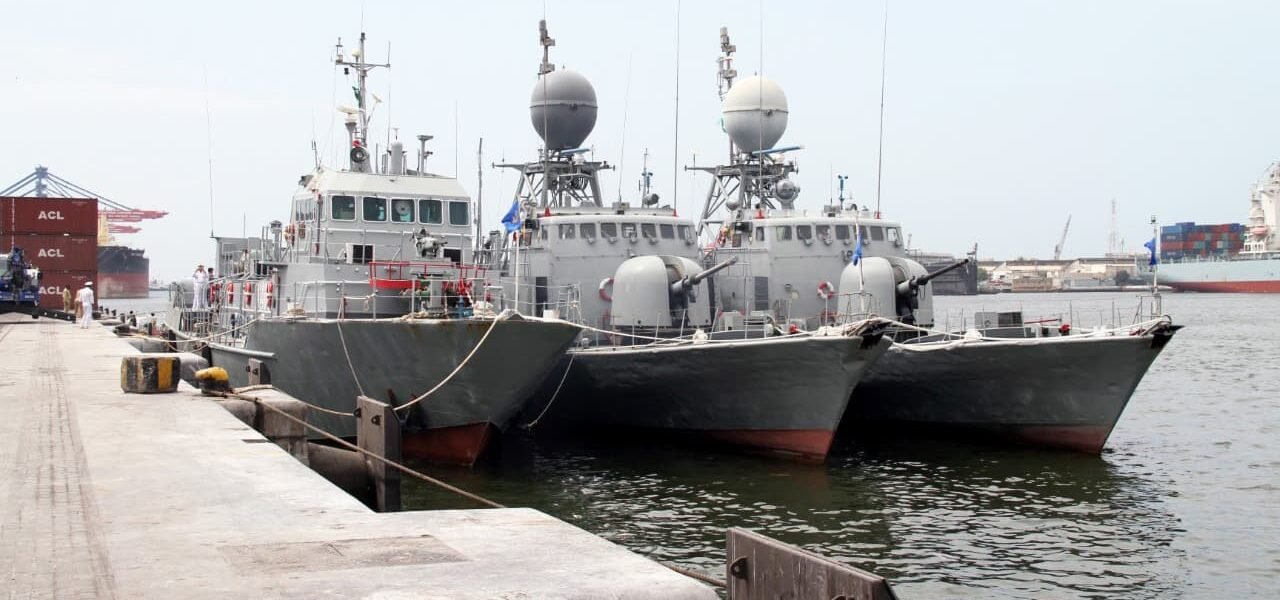
According to CENTCOM, more than 10,000 US troops, around a dozen warships, and dozens of aircraft have been deployed to enforce the maritime surveillance mission.
Six merchant ships forced to turn back
US authorities said six merchant vessels were ordered to turn around and return to Iranian ports in the Gulf of Oman. No ship reportedly attempted or succeeded in breaking through the blockade during the first hours of enforcement.
This show of force is intended to prevent Iranian oil exports, a key source of revenue for Tehran.
Strait of Hormuz traffic partially maintained
Despite the tougher restrictions, maritime traffic through the Strait of Hormuz has not been fully disrupted. Several ships heading to non-Iranian ports continued to transit freely, in line with Washington’s assurances regarding freedom of navigation.
Maritime tracking data also showed that around 20 commercial vessels crossed the strait during that period without being targeted, as they were not linked to Iranian ports.
A global escalation with serious consequences
The blockade has heightened tensions between Washington and Tehran and raised concerns about its potential impact on global trade, energy prices, and security in the Gulf.
The Strait of Hormuz, through which a significant share of the world’s oil supply passes, remains one of the most sensitive geopolitical chokepoints. Any further escalation could have direct consequences for global markets and regional stability.