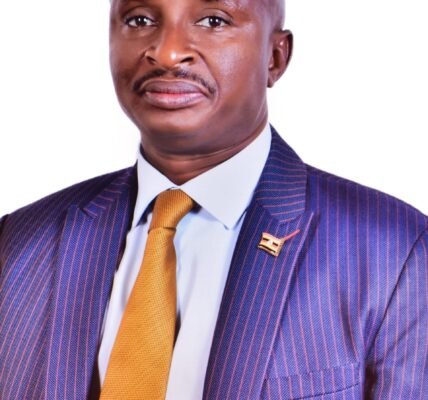
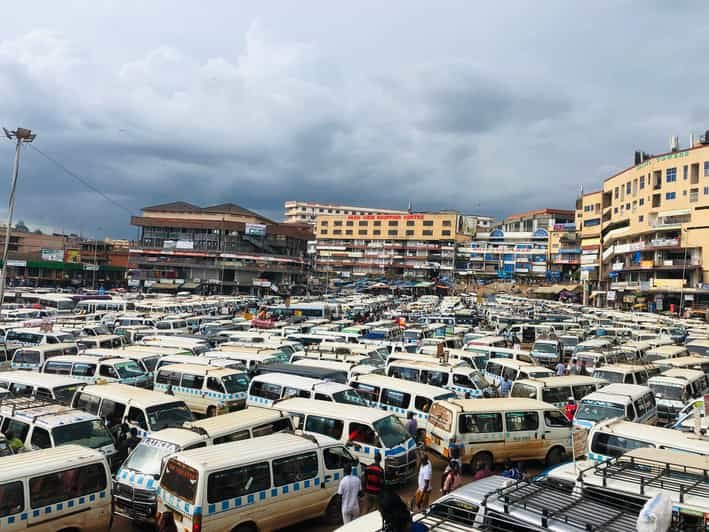

Works and Transport Minister Fred Byamukama has given taxi owners and operators until Monday to remove vehicles in poor mechanical condition from the roads.
The directive is part of a 100-day road safety campaign launched in Greater Kampala, aimed at reducing road accidents and ensuring that public transport vehicles meet required safety standards.
Government Targets Unsafe Vehicles
The minister has instructed taxi operators to ensure that vehicles with serious mechanical defects are repaired or taken off the road.
The inspections are expected to focus on key safety components, including:
- Brakes
- Tyres
- Lights
- Steering systems
- Suspension
- Overall mechanical condition
Vehicles considered unsafe could be stopped from operating during road inspections.
100-Day Road Safety Campaign
The 100-day campaign begins in Greater Kampala, where taxis and other public transport vehicles play a major role in daily transportation.
Authorities say the initiative is designed to improve road safety, reduce preventable accidents and protect passengers and other road users.
The government is also seeking to encourage taxi owners and operators to take greater responsibility for maintaining their vehicles in roadworthy condition.
Taxi Operators Face Tight Deadline
Taxi owners have only a short period to inspect and repair their vehicles before the Monday deadline.
While the directive is aimed at improving passenger safety, some operators could face financial challenges if their vehicles require major repairs.
However, the government maintains that road safety must remain a priority and that vehicles posing a danger to passengers should not be allowed to continue operating.
Public Safety Remains the Priority
The campaign is expected to attract significant attention from passengers, drivers and transport operators across Kampala.
For many road users, removing poorly maintained vehicles from the roads could help make public transportation safer.
The authorities are expected to continue monitoring compliance throughout the 100-day campaign, with Greater Kampala serving as the starting point before similar measures are potentially extended to other parts of Uganda.
Joshmishumbi