

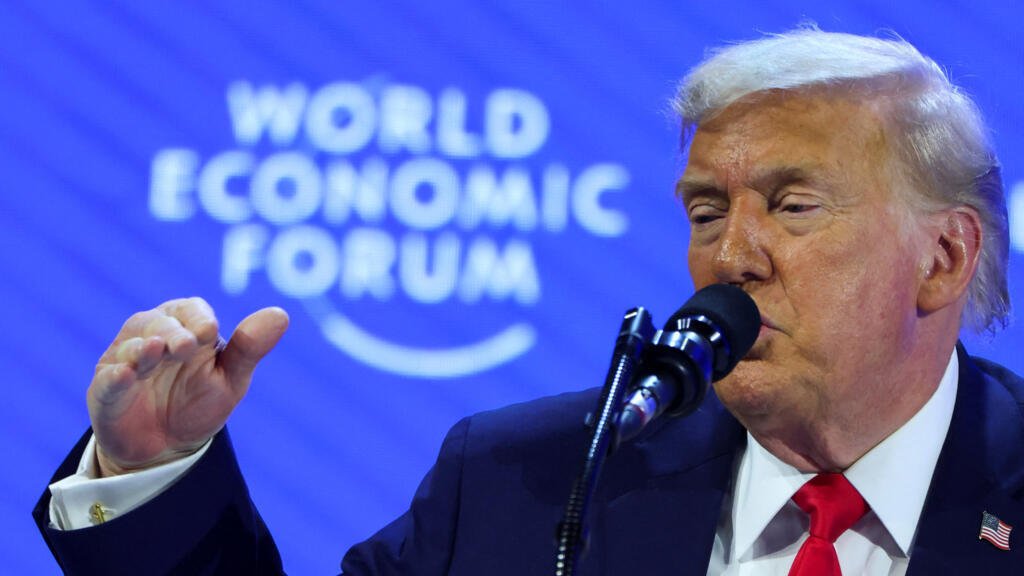
US President Donald Trump hosted a high-profile signing ceremony in Davos to announce the first charter of his controversial new initiative, the “Board of Peace.”
The announcement, made on the sidelines of an international gathering of political and business leaders, has sparked a wide range of reactions across the global community.
The Board of Peace, according to the Trump administration, is intended to serve as a new international framework aimed at conflict prevention, diplomatic engagement, and strategic dialogue among major global actors. While supporters describe the initiative as an ambitious attempt to rethink global peacebuilding, critics have raised questions about its structure, legitimacy, and long-term impact.
A High-Visibility Announcement in Davos
The choice of Davos as the venue for the signing ceremony was widely seen as symbolic. Known for hosting influential global forums, Davos has long been a meeting point for heads of state, policymakers, and corporate leaders. By unveiling the Board of Peace charter in this setting, President Trump appeared to signal that the initiative is intended to play a significant role on the world stage.
During the ceremony, Trump emphasized themes of sovereignty, negotiation, and pragmatic diplomacy, positioning the Board of Peace as an alternative to existing multilateral institutions. The charter reportedly outlines broad principles for cooperation, conflict mediation, and economic stability, though detailed operational mechanisms have yet to be fully clarified.
Mixed Reactions From Global Leaders
Reactions from world leaders and international observers have been notably mixed. Some officials welcomed the announcement as an opportunity for renewed dialogue, particularly amid ongoing geopolitical tensions.
Supporters argue that any platform encouraging communication between rival states could help reduce the risk of escalation and foster more direct engagement.
However, other leaders and analysts expressed skepticism. Critics questioned whether the Board of Peace would duplicate the roles of existing international organizations or undermine established diplomatic processes.
Concerns were also raised about governance, transparency, and whether the initiative would be inclusive enough to represent a truly global perspective.
European officials, in particular, emphasized the importance of coordination with existing institutions, while some leaders from developing nations called for clearer assurances that their interests would be represented within the framework.
Domestic and International Debate
Within the United States, the announcement has also fueled debate. Supporters of President Trump praised the move as bold and unconventional, aligning with his long-standing criticism of traditional global institutions. Detractors, meanwhile, warned that the initiative could lack accountability or become overly politicized.
International policy experts note that the success of the Board of Peace will likely depend on who participates, how decisions are made, and whether its recommendations carry any real diplomatic weight. Without binding authority, some analysts argue, the board may struggle to move beyond symbolic gestures.
What Comes Next for the Board of Peace?
With the first charter now signed, attention is shifting to the next steps. Key questions remain about membership, leadership structure, funding, and how the Board of Peace will interact with existing global bodies. Observers are watching closely to see whether additional countries formally endorse the initiative or participate in future sessions.
As global tensions persist across multiple regions, the unveiling of the Board of Peace adds a new and controversial element to international diplomacy. Whether it becomes a meaningful platform for cooperation or a short-lived political statement remains to be seen.
Joshmishumbi