

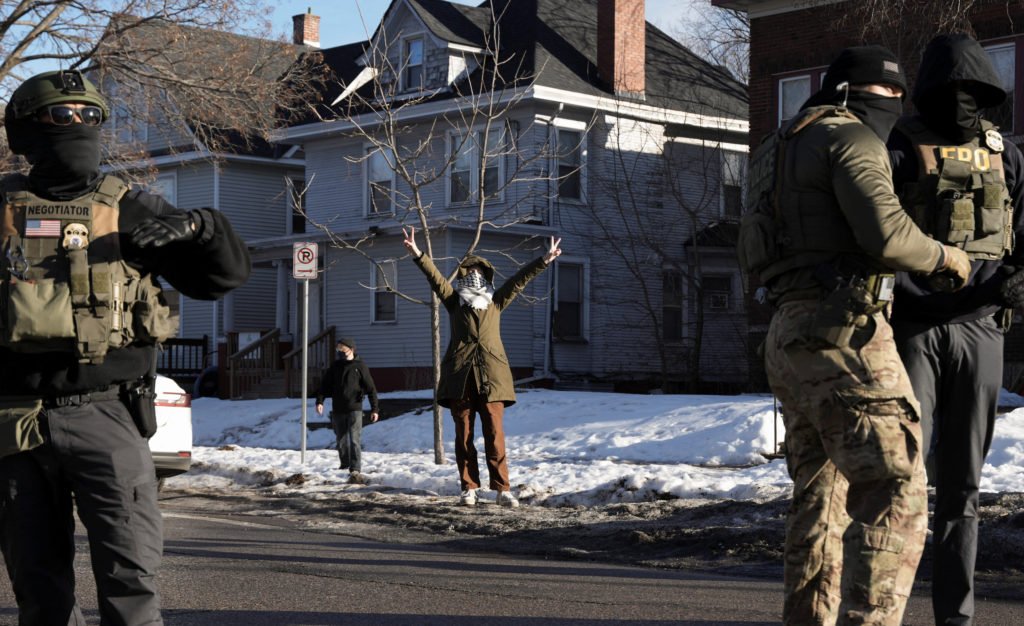
Rising tensions in Minnesota over federal law enforcement actions have sparked widespread unrest, clashes with authorities, and vandalism of federal vehicles and property.
Recent incidents including the fatal shooting of a woman by a federal ICE agent, assaults on officers, and protests that turned destructive have raised serious questions about the security of federal infrastructure and the root causes of ongoing violence.
What Has Happened in Minnesota
In early January 2026, federal immigration enforcement expanded operations in Minneapolis under what authorities described as a major crackdown. During one operation, an ICE agent fatally shot a 37-year-old woman named Renée Good, leading to large protests and growing unrest across the city.
In the days that followed:
-
Clashes between protesters and federal agents erupted, sometimes involving tear gas and force.
-
Federal vehicles belonging to agencies like ICE, DHS, and the FBI were vandalized or broken into by crowds in Minneapolis including videos showing rioters ripping through unmarked vehicles and stealing items such as ammunition or documents.
-
The FBI offered a reward for information leading to the arrest of those responsible for damaging federal property.
These incidents have been described as violent and destructive, but they are part of domestic unrest and clashes between protest groups and federal law enforcement, not clearly linked to organized international terrorist networks.
What Authorities Are Calling This
Federal officials, in defending law enforcement actions, have at times used strong language, and incidents of attacking officers with tools like shovels or broomsticks have been reported during enforcement operations. However, U.S. agencies have not officially classified the protests or vandalism as acts by foreign terrorist organizations or organized terrorist cells targeting federal infrastructure.
The unrest is tied primarily to deep tensions over federal immigration enforcement, perceptions of federal overreach, and strong political disagreements about the tactics used by agencies like ICE and DHS.
Federal Building Security and Vulnerabilities
While some rioters have damaged parked federal vehicles and stolen contents from them, there is no confirmed evidence that federal buildings themselves have been taken over or assaulted in an organized military-style attack by terrorist groups. Instead, security concerns focus on:
-
Vandalism and theft from unprotected vehicles parked near federal facilities.
-
Hostile demonstrations near federal sites like the Bishop Henry Whipple and other federal buildings.
-
The potential for escalation if unrest intensifies or additional federal operations draw further protest.
These security stresses reveal vulnerabilities when law enforcement resources are stretched and when protest movements shift into destructive tactics particularly during highly emotionally charged responses to fatal use-of-force incidents.
Political Debate and Responses
The situation has led to heated debate at federal and state levels:
-
Some officials have argued for stronger measures to restore order, including invoking the Insurrection Act to allow use of federal troops in domestic law enforcement a highly controversial and rarely used legal option.
-
Local leaders and critics of federal operations have condemned the aggressive tactics by ICE and other agencies, framing them as exacerbating tensions rather than calming them.
-
The FBI’s decision to lead investigations and restrict local access to evidence has drawn criticism and intensified distrust among community leaders.
Key Takeaways
-
The unrest in Minnesota stems from domestic clashes and protests, particularly around federal immigration enforcement operations.
-
There is no verified evidence of internationally organized terrorist groups attacking federal buildings or coordinating assaults on national infrastructure.
-
However, violent vandalism, theft from federal vehicles, and confrontations with federal agents reflect real security challenges.
-
The debate over how to protect federal infrastructure and respond to unrest continues across political and law enforcement circles.
JOSHMISHUMBI