
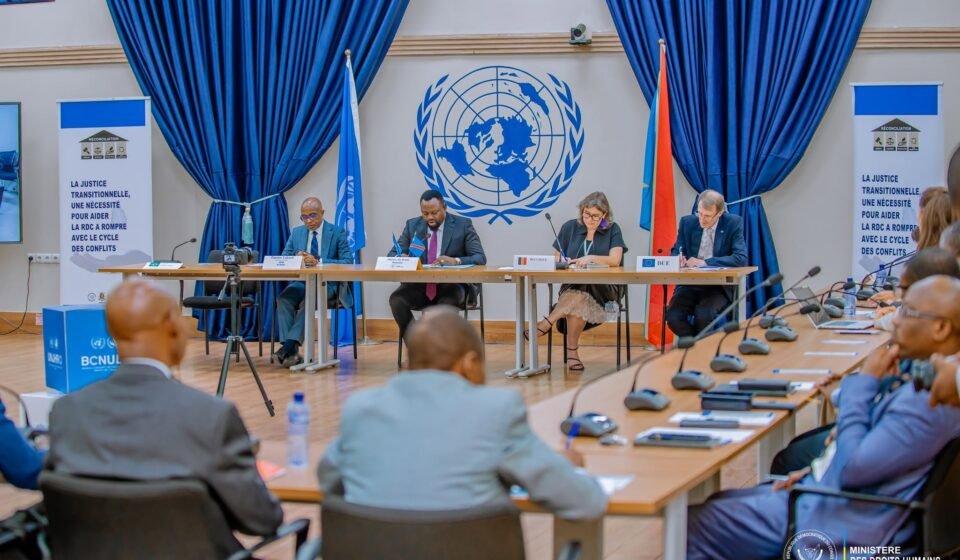

As victims of human rights violations in the Democratic Republic of the Congo (DRC) continue to call for justice, truth and reparations, the Congolese government is seeking to strengthen mechanisms aimed at addressing their concerns.
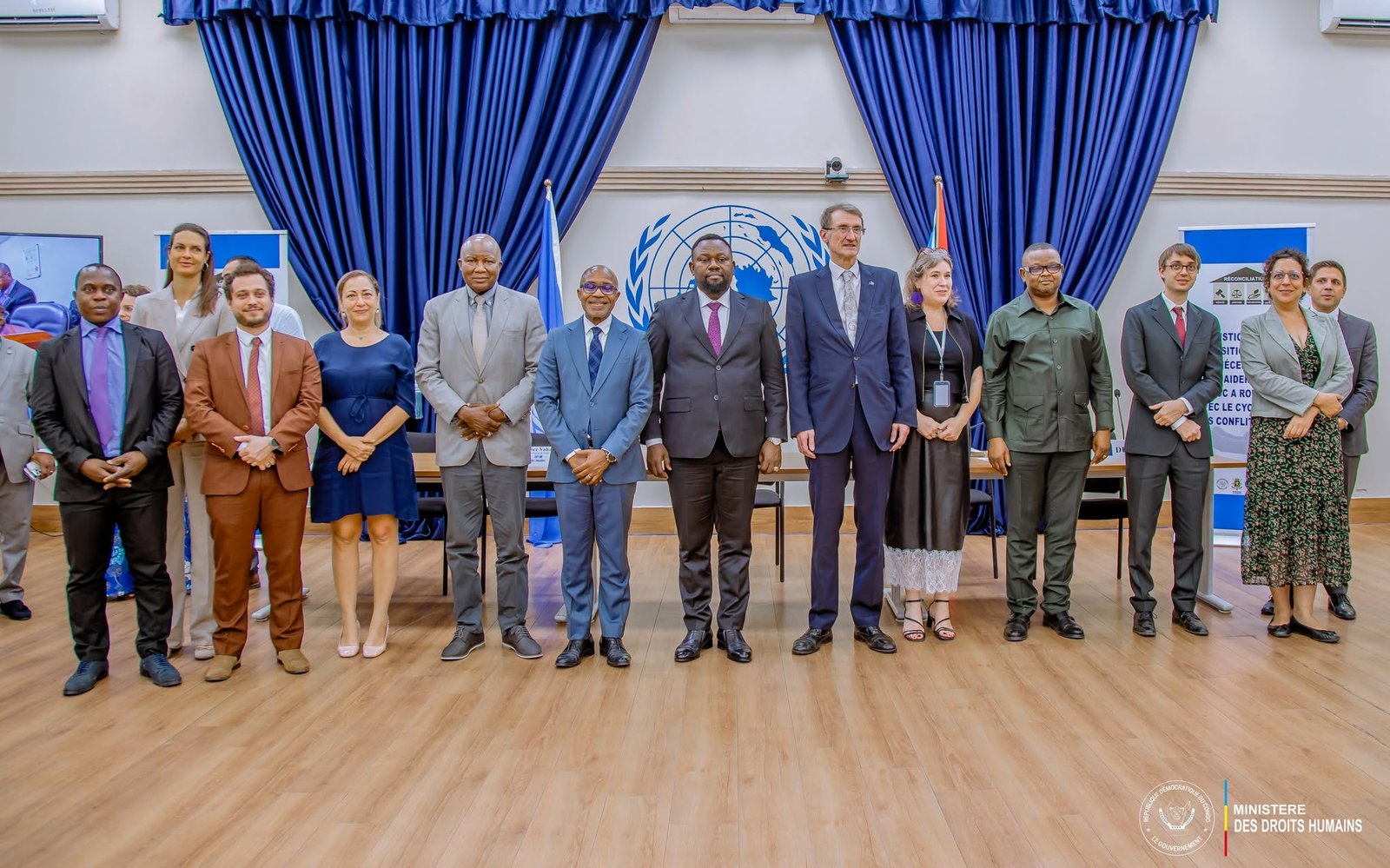
It is in this context that Minister Samuel Mbemba Kabuya launched a consultative framework on transitional justice in Kinshasa on Thursday, September 24, 2026, in collaboration with the United Nations Joint Human Rights Office (UNJHRO).
The initiative aims to promote coordinated reflection on mechanisms to combat impunity, establish the truth about human rights violations and contribute to reparations for victims.
Transitional Justice Beyond Reparations
In his remarks, Minister Samuel Mbemba Kabuya paid tribute to President Félix Tshisekedi while commending the efforts of Prime Minister Judith Suminwa.
He stressed that transitional justice is a national imperative that cannot be limited solely to the issue of reparations for victims.
According to the minister, the DRC must now move to a new stage by transitioning “from orientations and commitments” to a “structured operational dynamic built around national priorities”, supported by coordinated mobilization of all relevant stakeholders.
This approach seeks to place victims at the center of the process while strengthening mechanisms for truth, justice and accountability.
Transitional Justice and Peacebuilding
Discussions held in Kinshasa focused in particular on the role of transitional justice in peacebuilding in the DRC.
Participants also addressed the issue of forensic medicine, which was presented as an important tool in the pursuit of truth, justice and accountability.
In a country marked by decades of conflict and serious human rights violations, forensic medicine can help document facts, identify victims and provide evidence that may support investigations and judicial proceedings.
Towards Greater Stakeholder Mobilization
The launch of this consultative framework comes at a time when demands for justice and reparations remain strong among victims and human rights organizations.
The government seeks to promote greater coordination among public institutions, international partners, civil society organizations and other stakeholders involved in the process.
For the authorities, transitional justice should not only address the consequences of past violations but also contribute to strengthening the foundations for lasting peace in the Democratic Republic of the Congo.
Joshmishumbi

[…] Kenge crash thus demonstrates that personnel protection must integrate operational, air, maritime, land, and logistical security, as well as privacy […]