

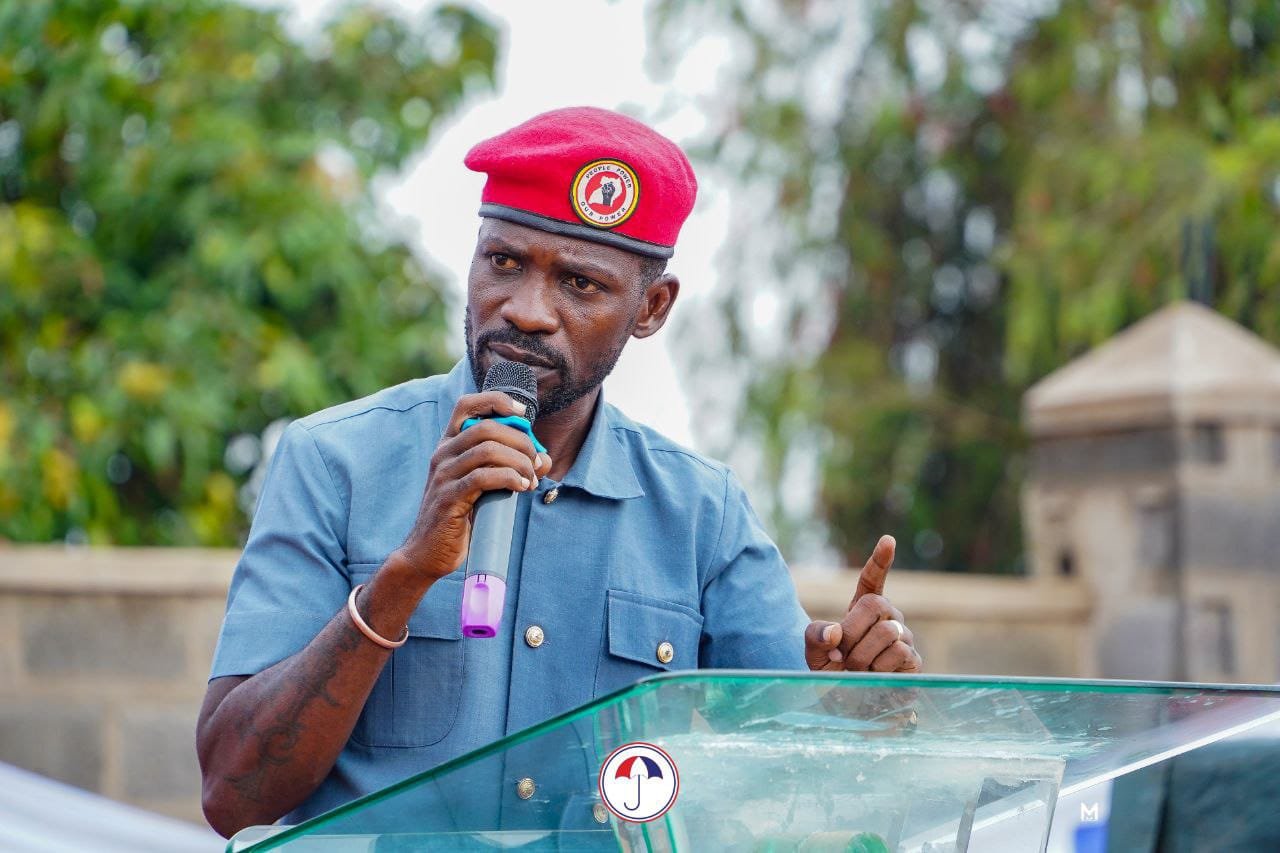
As Uganda headed to the polls, National Unity Platform (NUP) presidential candidate Robert Kyagulanyi, popularly known as Bobi Wine, cast his vote amid heightened political tension and security concerns.
Speaking to journalists shortly after voting, Kyagulanyi strongly condemned the nationwide internet shutdown, describing it as a deliberate strategy to block transparency and keep Ugandans uninformed during a critical democratic process.
Internet Shutdown Sparks Outrage
Kyagulanyi criticized the government’s decision to suspend internet and social media access, arguing that it undermines electoral credibility and violates citizens’ rights to information.
“This is a calculated move to keep Ugandans in the dark,” Kyagulanyi said. “In a modern democracy, shutting down the internet during elections is unacceptable.”
Civil society organizations and opposition leaders have long argued that internet shutdowns restrict communication, limit independent reporting, and obstruct election monitoring. The disruption has affected businesses, journalists, election observers, and ordinary citizens attempting to follow developments in real time.
Concerns Over Arrest of NUP Deputy President
In addition to the internet blackout, Kyagulanyi raised serious concerns over the alleged arrest of Jolly Jacklyn Tukamushaba, the NUP Deputy President for Western Uganda. According to Kyagulanyi, Tukamushaba was reportedly picked up by security forces and driven to an army barracks in a military drone vehicle.
“Our leaders are being abducted and taken to military facilities without explanation,” Kyagulanyi stated, calling the incident part of a broader campaign of intimidation against the opposition.
As of the time of reporting, security authorities had not issued an official statement confirming or denying the arrest, nor had they clarified Tukamushaba’s whereabouts.
Climate of Fear and Intimidation
The reported incident adds to a growing list of complaints from the opposition regarding harassment, arbitrary arrests, and military involvement in civilian political affairs. NUP supporters argue that such actions create a climate of fear that discourages voter participation and undermines free and fair elections.
Political analysts note that the heavy presence of security forces and restrictions on communication may significantly affect public confidence in the electoral process.
Calls for Accountability and Transparency
Kyagulanyi urged regional and international observers to take note of the situation, emphasizing the need for accountability and respect for democratic norms.
“Ugandans deserve a transparent process where leaders are chosen freely, without fear, violence, or censorship,” he said.
Human rights groups have also called on the Ugandan government to restore internet access, release detained political actors, and ensure that all candidates are treated equally under the law.
A Critical Moment for Uganda’s Democracy
As voting continues, the developments surrounding the internet shutdown and the reported detention of opposition leaders are likely to draw regional and international attention. Observers warn that the handling of these issues could have long-term implications for Uganda’s democratic institutions and political stability.
Joshmishumbi